I truly believe that business can generate immense positive impact.
But the foundation for that is on the one hand the inner capacity of the people shaping and building it and on the other hand the business itself and and bringing these ideas, vision and mission to live in the every little decision. That’s why I like to say “for the brave enough to think and do business differently.
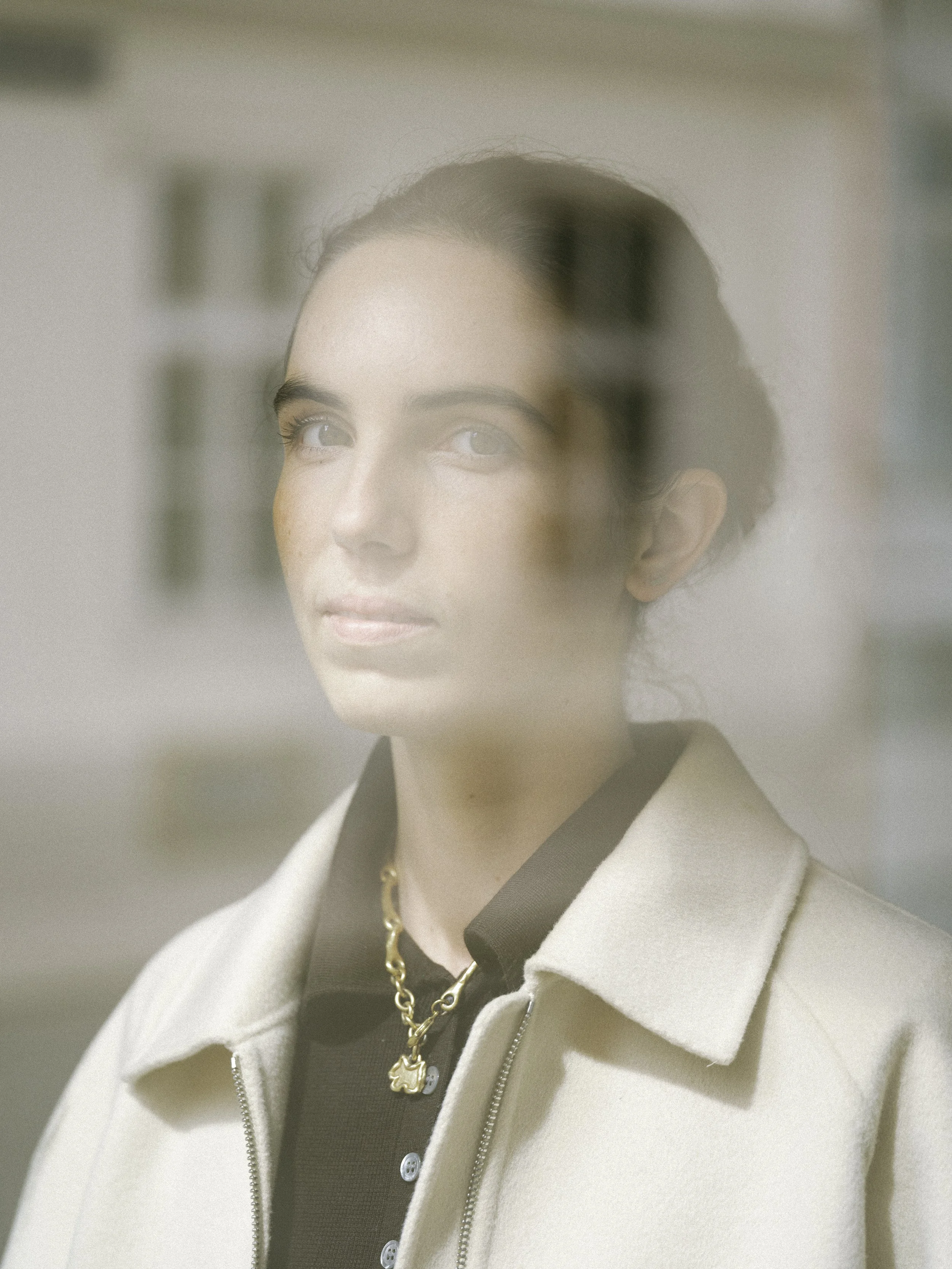
I'm Vicky – founder of Inner Muse. Growing up between two worlds
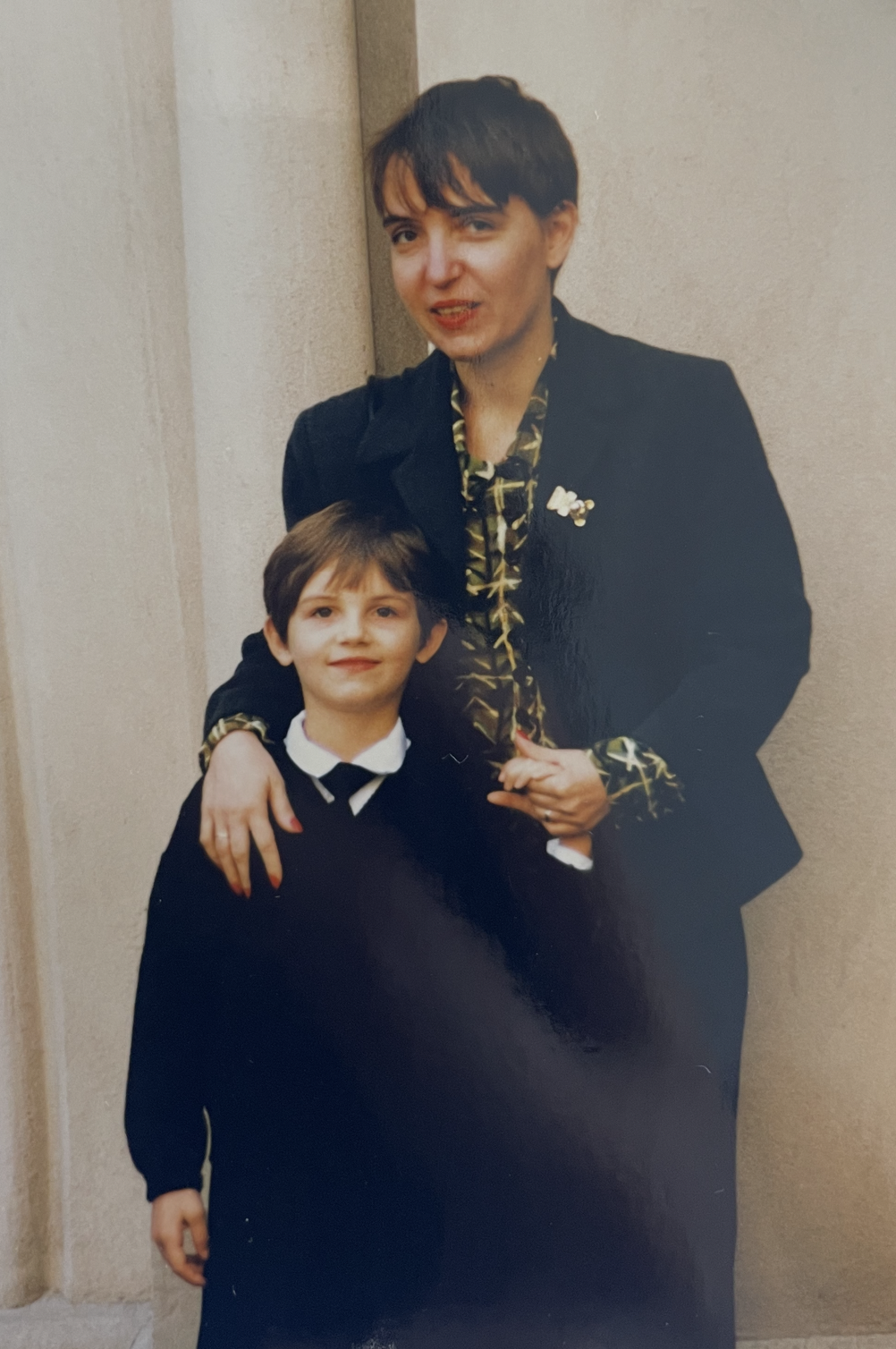
I was raised between Bulgaria and Austria, between Eastern and Western Europe. My grandmothers' stories, and the dreams they never got to live, shaped who I am.
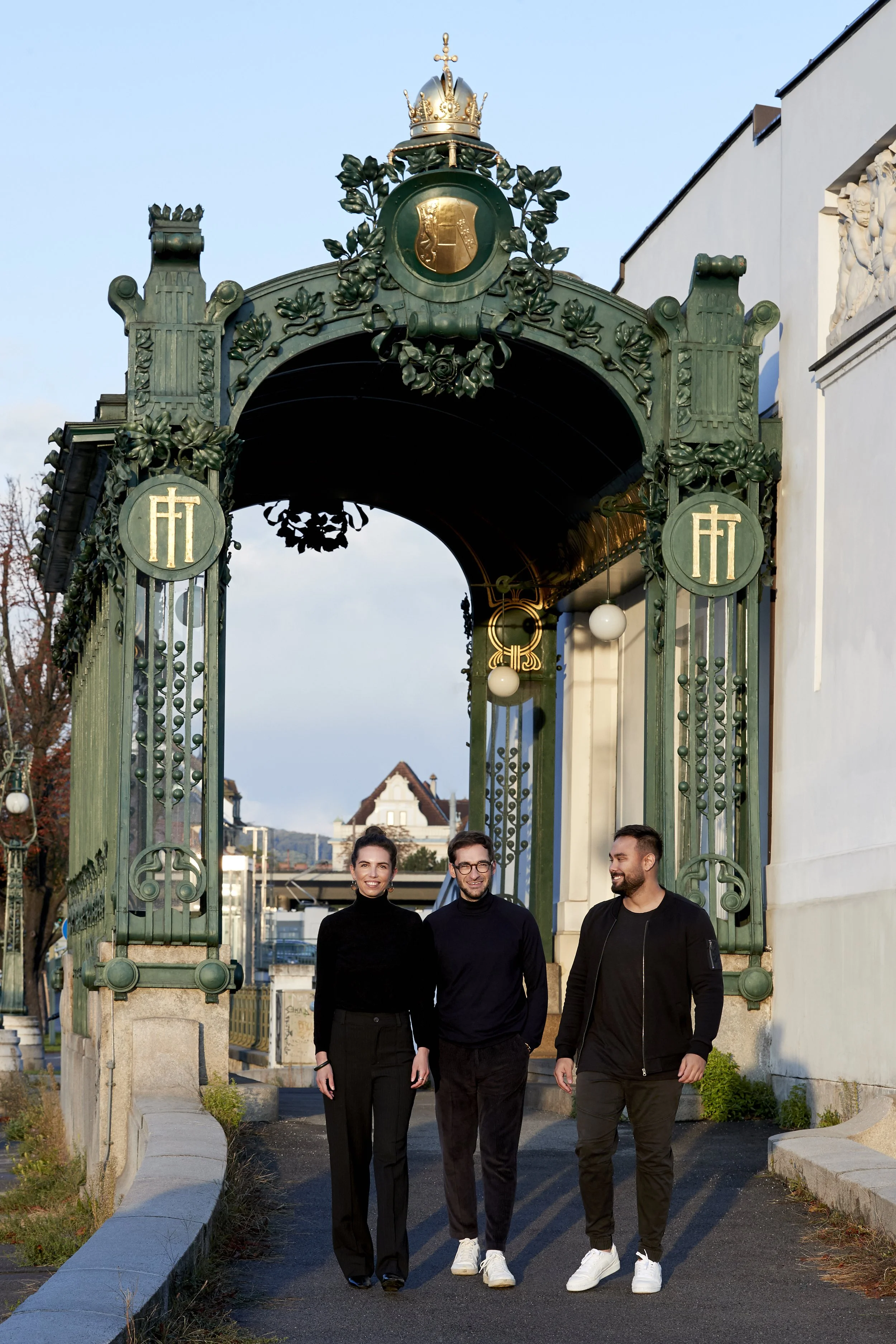
With the success the feeling of not being enough also grewThe success was great, the numbers were great, and the culture we were able to build was beautiful and honest. But at some point a global decision was made that the brand Fjord alongside other agencies the company had acquired over the years will be fully integrated into Accenture Song. For many of us it was not easy as it also mean letting go of what we had build.
Building, again and again
My career took me from a short stop in the fashion industry to a leading digital marketing agency in CEE, at a time when digital and social media marketing were still new. I represented Spotify's advertising business in Austria and shaped campaign strategies for brands like Coca-Cola and Magenta.
I was drawn to creating digital experiences, so I moved to what was then Accenture Interactive, still new in customer experience and experience design. I knew it was the future. I consulted marketing and brand departments on how to evolve in times of data-driven decision-making and the rise of marketing technology
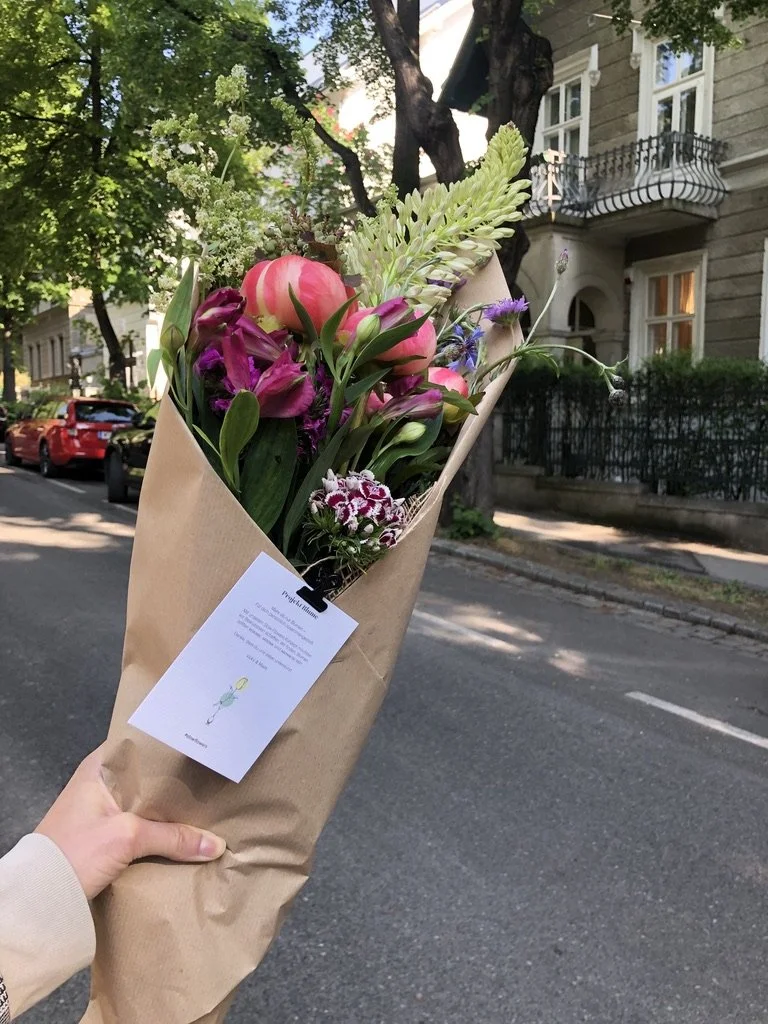
During the pandemic, my partner and I built our first own business: Project Blume, an online shop for seasonal, locally grown flowers. That led to an invitation to help launch Fjord Austria in 2021, where I moved into business design. Together with wonderful colleagues, I got to build something as an entrepreneur again. The numbers were great, and the culture we built was beautiful and honest.
Somewhere along the way, I also started creating extreme pressure for myself and my self-doubt was always present and trying to cure it with event better work wasn’t working either. the intense working mode and high performing environment also took its toll, and in 2022 I was diagnosed with burnout and depression and had to pause for six months.
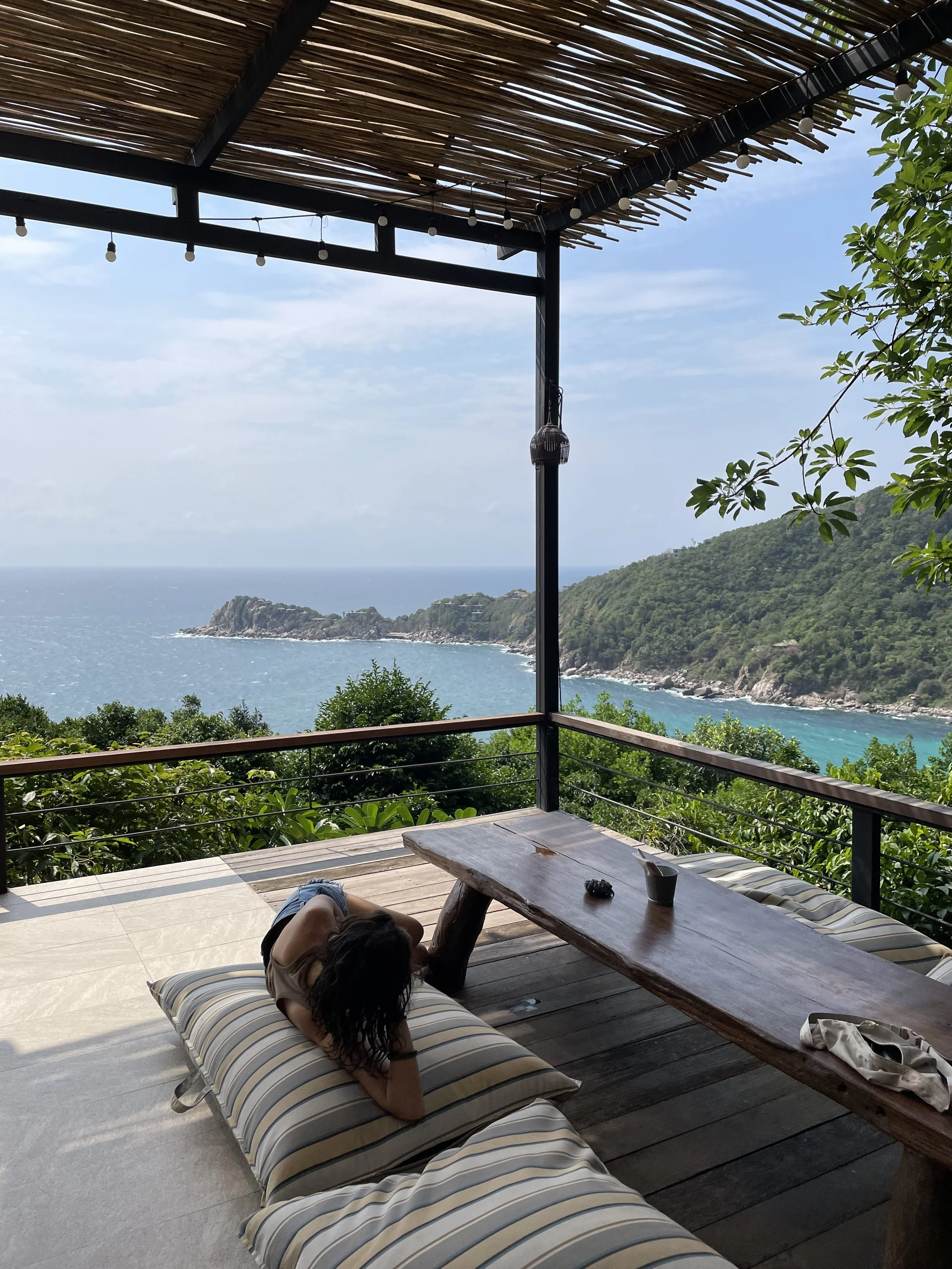
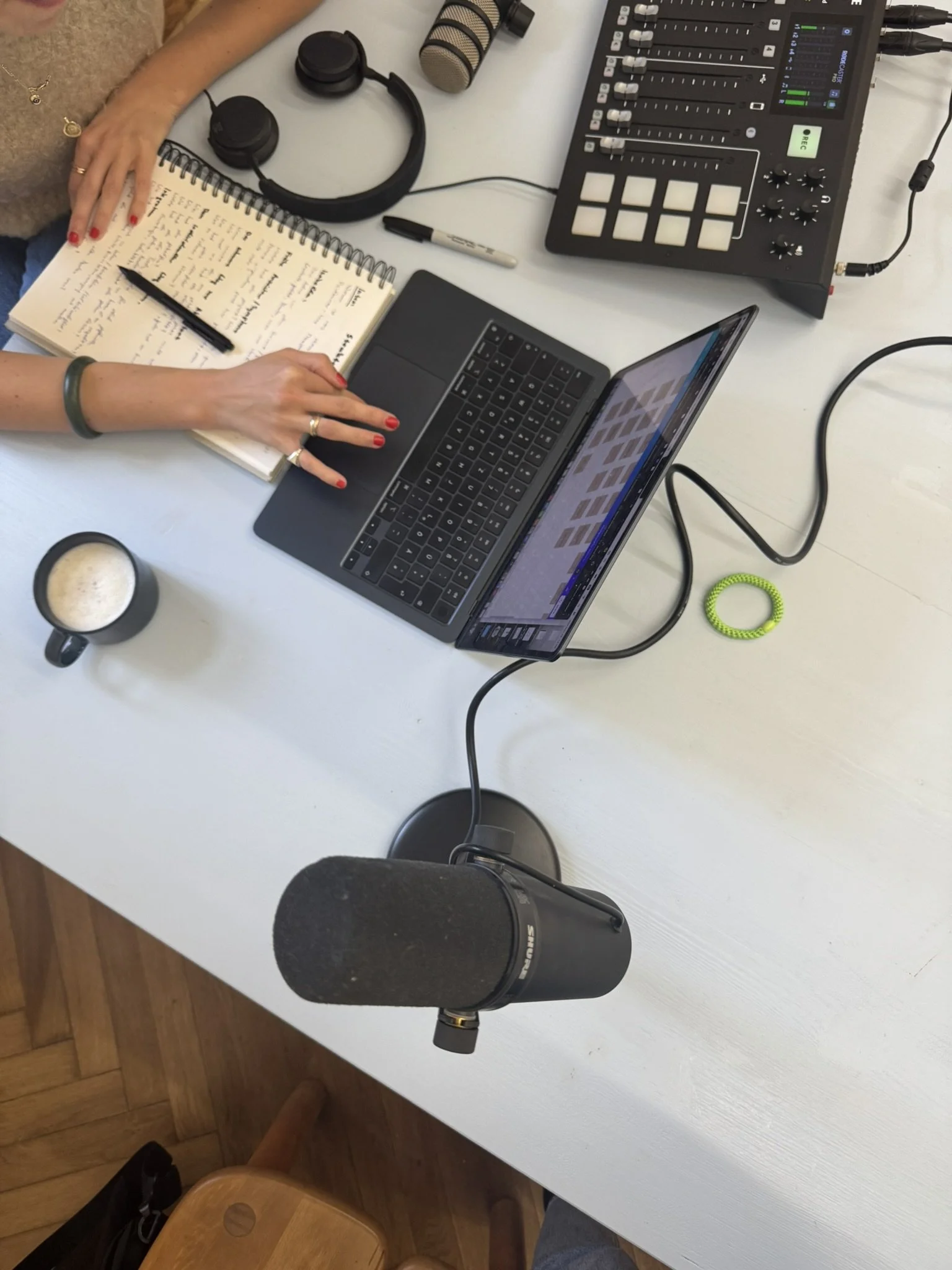
The whole journey of recovering, regenerating and healing was not easy, and I was filled with shame. When I returned, I wanted to express that, so I started a podcast that I called Inner Muse.
inner muse
The name came to me when I was feeling good for the first time after months of recovery. For the first time, I felt there was wisdom within me.
motherhood & the shift
Becoming a mother in March 2024 was another big transformation. It led me to leave corporate consulting, go back to university, and dedicate my time and energy to what I'm most passionate about: designing regenerative ways of doing business and ways of working.
What Inner Muse is
Inner Muse is a regenerative business design studio and consultancy at the intersection of business and organisational design, inner reflection and regenerative thinking.
But what does this even mean?Business & organisational designI use the design process, the double diamond in particular, along with the business tools most people know: value propositions, SWOT analysis and so on. But for me it's more than method. Designing a business is a creative expression and a creative process, a way of bringing into being what the founder or leader wants to create. The tools give it structure. What gets built with them is up to the person behind it.
reflectionReflection is the most impactful and powerful strategy for all of us. This is where the creative process gets its material. Inner reflection means connecting with your feelings, who you are, what motivates you and what gives you meaning. For me it is the ability to understand why we do things the way we do and help us consider other approaches. Then using that as data in the design process, the same way you'd use customer research or market analysis. Most business design skips this step, and it shows. The business ends up shaped by what's expected instead of what's true for the person building it.
regenerative thinkingThe mainstream paradigm around work is built on extraction: more output, more speed, more from people and from the system. Regenerative thinking asks a different question. Does this way of working give back more than it takes, and does it leave people, teams and the business more alive over time? I look at business through that lens and challenge what's been normalised along the way.
Awareness
Seeing the whole system: inner, organizational, societal, and its limits.

Vision
Shared vision over individual targets.
At the core
The Braver Principles
Emergence
Working with complexity rather than controlling it.
BEING
Inner work enables outer change
Regeneration
Long-term stability and recovery over short-term extraction and depletion.

Relating
Trust and psychological safety are relational.